




The Digital Backbone of Modern Transportation in Taxi and Limo Dispatch Services

Professional taxi & limo dispatch services

The efficiency of ground transportation hinges not on the number of vehicles in a fleet, but on the intelligence that coordinates them. Modern Taxi and Limo Dispatch Services have evolved from simple radio operations into sophisticated digital ecosystems that manage logistics, customer relationships, and business intelligence simultaneously. Across the United States, these services represent the critical infrastructure supporting companies to compete effectively in an industry transformed by technology and consumer expectations. The development from manual dispatching to integrated software solutions represents one of the most significant transformations in transportation history, creating new opportunities for established companies and entrepreneurs a like.

The Core Function: What Dispatch Services Actually Do

A dispatch service acts as the central nervous system connecting passengers with drivers. Taxi dispatch services specifically manage standard vehicle fleets, while Limo Dispatch Services cater to premium transportation with additional layers of complexity including chauffeur management, luxury vehicle maintenance, and corporate account handling. The modern dispatcher’s role has expanded from merely assigning trips to optimizing entire operational workflows—balancing driver availability with demand patterns, managing pricing strategies, ensuring regulatory compliance, and maintaining service quality across thousands of daily transactions. This operational complexity explains why specialized dispatch systems have become indispensable for transportation businesses of all sizes.

Taxi and Limo Dispatch Services

The American Landscape Dispatch Services in the USA Market

The market for taxi and limo dispatch services in USA represents a particularly dynamic and challenging environment. With varying state regulations, diverse urban and rural service requirements, and intense competition from rideshare platforms, American transportation companies require robust systems that can adapt to multiple operational scenarios. Successful dispatch services in this market must accommodate everything from dense metropolitan operations in cities like New York and Chicago to expansive suburban networks in the Sunbelt, each with distinct customer expectations and logistical challenges. This geographic and operational diversity has driven innovation in dispatch technology, creating solutions that are remarkably flexible and scalable.

The Technological Revolution Dispatch Software Explained

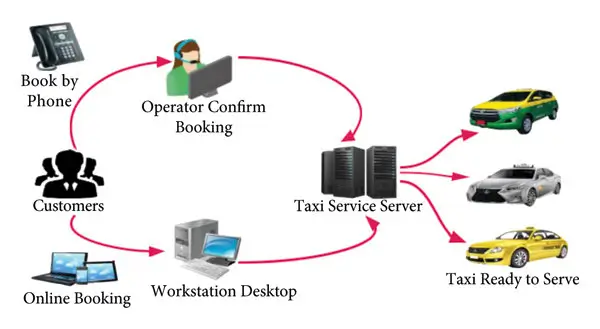
The transformation of dispatch operations has been fundamentally driven by the development of sophisticated taxi dispatch software. This technology platform typically integrates several crucial components: a web-based dashboard for fleet managers, mobile applications for drivers, and booking interfaces for customers. Modern systems employ artificial intelligence and machine learning algorithms to optimize dispatch decisions automatically, considering factors like traffic patterns, driver proximity, vehicle type requirements, and even predicted future demand. This software represents a significant leap from reactive dispatching to proactive fleet management, enabling operators to make data-driven decisions that maximize efficiency and profitability throughout their operations.

The Customer Experience The Rise of the Dispatch App

Perhaps the most visible manifestation of this technological evolution has been the proliferation of the taxi dispatch app. These mobile applications have fundamentally reshaped customer expectations and behaviors, providing the instant access, transparency, and convenience that today’s passengers demand. A well-designed dispatch app allows users to book rides with a few taps, track their assigned vehicle in real-time, receive accurate fare estimates before booking, and complete cashless transactions seamlessly. For transportation companies, these apps serve as powerful marketing tools and customer retention mechanisms, while providing invaluable data about booking patterns, popular destinations, and service preferences that can inform broader business strategy.
Taxi and Limo Dispatch Services

Navigating Investment Understanding Dispatch System Pricing

For business owners evaluating technology solutions, understanding taxi dispatch system prices represents a critical consideration. The market offers various pricing models to accommodate different business sizes and requirements. Subscription-based Software-as-a-Service (SaaS) models typically charge monthly fees ranging from affordable vehicle, depending on feature complexity and support levels. Alternatively, some providers offer perpetual licensing options with significant upfront costs but lower ongoing expenses. Implementation costs, training fees, payment processing percentages, and hardware requirements for drivers all contribute to the total investment. The most cost-effective approach depends largely on fleet size, growth projections, and specific operational needs, making thorough analysis essential before commitment.

Integration and Features What Modern Systems Offer

Contemporary dispatch platforms distinguish themselves through comprehensive feature integration that extends far beyond basic trip assignment. Advanced systems now incorporate automated dispatch algorithms, digital fare calculation with dynamic pricing capabilities, integrated GPS tracking with geofencing, driver performance analytics, maintenance scheduling modules, and comprehensive reporting dashboards. These systems increasingly integrate with third-party applications including accounting software, customer relationship management platforms, and even local tourism databases. For limousine services specifically, features like automated wait time charging, bottle service tracking, and corporate account management become particularly valuable, demonstrating how specialized needs drive feature development within the dispatch technology sector.

Future Directions The Evolving Dispatch Landscape

The future of dispatch services points toward increasingly sophisticated integration with broader urban mobility ecosystems. Emerging trends include the incorporation of electric vehicle management tools, integration with public transportation systems for multimodal trip planning, enhanced predictive analytics for fleet optimization, and the development of marketplace models where multiple transportation providers can participate within a single dispatch framework. As autonomous vehicle technology advances, dispatch systems will likely evolve to manage mixed fleets of human-driven and autonomous vehicles. The continued evolution of taxi and limo dispatch services will focus on creating seamless, efficient, and sustainable urban transportation networks that serve both individual passengers and broader community mobility needs.

Conclusion: The Strategic Imperative of Modern Dispatch Solutions

In a transportation landscape characterized by rapid technological change and heightened customer expectations, investing in sophisticated dispatch systems has transitioned from a competitive advantage to an operational necessity. The right taxi dispatch software and accompanying app ecosystem can transform a traditional transportation business, delivering improved efficiency, enhanced customer satisfaction, and stronger financial performance. As the industry continues to evolve, companies that leverage these technological tools effectively will be best positioned to navigate the challenges and opportunities of modern mobility, ensuring their relevance and success in an increasingly dynamic marketplace.